Unearthing the Past of an Unconquered City
From its mysterious Pisidian origins to its abandonment in late antiquity, Termessos holds over two millennia of fascinating history waiting to be discovered.
The Indigenous Pisidian People
The Pisidians were a fiercely independent people who inhabited the mountainous regions of southern Anatolia. Unlike the coastal cities that readily adopted Greek culture, the Pisidians maintained their distinct identity and traditions.
Termessos was one of their most important cities, strategically positioned at approximately 1,050 meters elevation. The Termessians referred to themselves as Solymians, after Mount Solymus (modern Gulluk Dagi), and took immense pride in their heritage.
The city's location was no accident. Surrounded by sheer cliffs and accessible only through narrow mountain passes, Termessos was designed to be unconquerable from its very founding.
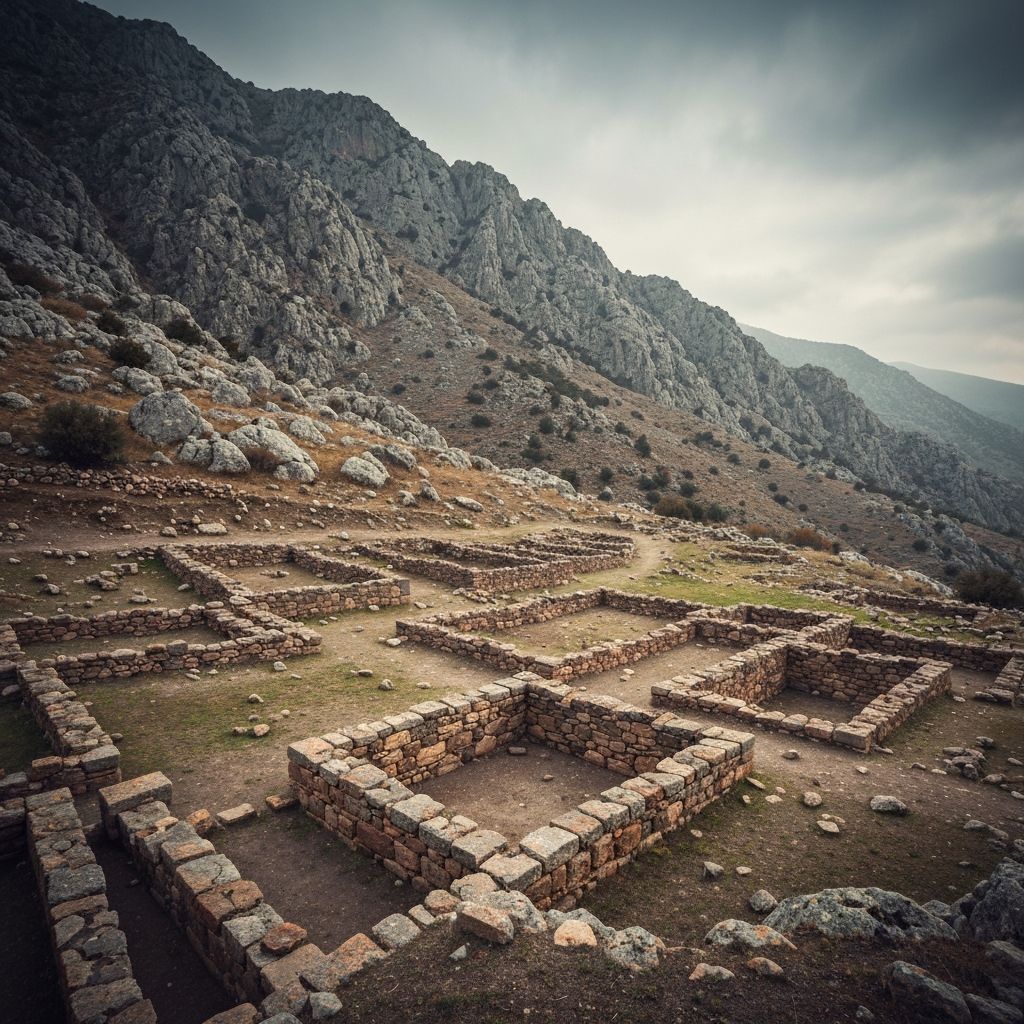
A Timeline of Termessos
Pisidian Origins
The indigenous Pisidian people established Termessos in the rugged Taurus Mountains. The Solymians, as they called themselves, chose this near-impregnable location for its defensive advantages.
Alexander's Failed Siege
Alexander the Great approached Termessos but, recognizing the difficulty of capturing this 'eagle's nest,' chose to bypass the city rather than suffer heavy losses.
Prosperity Under Rome
As a 'Friend and Ally of Rome,' Termessos enjoyed autonomy and flourished. The theatre, temples, and elaborate tombs we see today were built during this golden age.
Decline and Abandonment
Earthquakes damaged the water supply systems, and changing trade routes led to economic decline. The city was gradually abandoned, preserving it for future discovery.
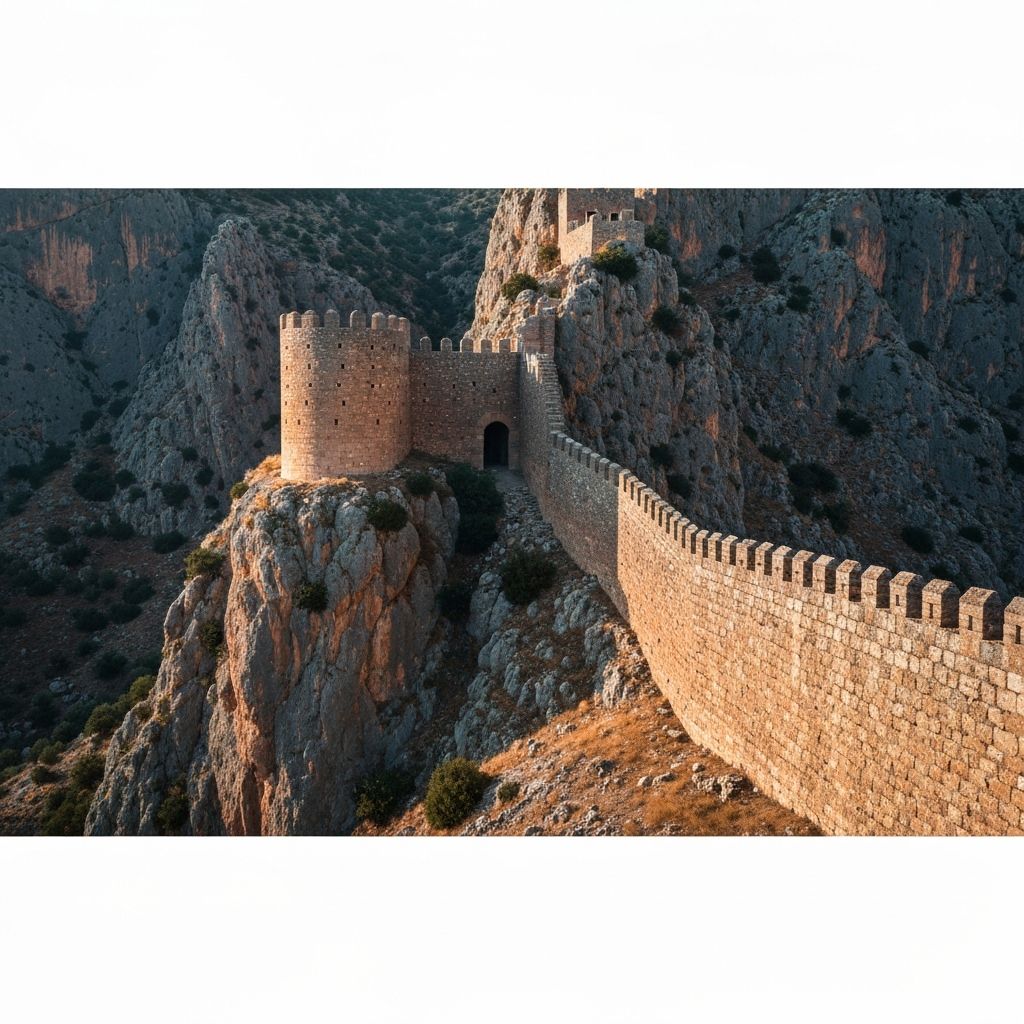
Did Alexander Conquer Termessos?
No. In 333 BCE, Alexander the Great, fresh from his conquest of the coastal city of Perge, turned his attention to Termessos. However, what he encountered was unlike anything he had faced before.
The ancient historian Arrian recorded that Alexander found the approach to Termessos to be a natural fortress. The narrow pass leading to the city was heavily defended, and the Termessians had fortified every advantage their mountainous position offered.
Recognizing that capturing Termessos would require a lengthy siege with heavy casualties, Alexander made the strategic decision to bypass the city. This decision, remarkable for a commander known for his relentless conquest, became a source of eternal pride for the Termessians.
Prosperity as a Friend of Rome
During the Roman period, Termessos was granted the special status of “Friend and Ally of the Roman People” (amicus et socius populi Romani). This unique designation, confirmed by the Roman Senate in 71 BCE, gave Termessos considerable autonomy while enjoying the protection of Rome.
This period saw the construction of the magnificent structures that visitors marvel at today. The grand theatre, capable of seating 4,200 spectators, was built during this era, as were the major temples, the agora, and the elaborate tombs of the necropolis.
The city minted its own coins, administered its own laws, and maintained its Pisidian identity while participating in the broader Roman economic and cultural sphere. This balance of independence and integration allowed Termessos to thrive for several centuries.
Why Was Termessos Abandoned?
Unlike many ancient cities that fell to conquest, Termessos was never destroyed. Instead, it was gradually abandoned between the 5th and 7th centuries CE. Several factors likely contributed to this decline:
- Earthquake Damage:A major earthquake damaged the city's sophisticated water collection systems, making life increasingly difficult in the mountaintop location.
- Economic Changes:The decline of Roman trade networks and shifting commercial routes reduced the city's prosperity.
- Political Instability: The broader upheavals of late antiquity affected even isolated mountain cities.
The gradual nature of the abandonment, ironically, became Termessos's gift to future generations. Without destruction or systematic dismantling, the city remained remarkably preserved, waiting to be rediscovered.
See History Come Alive
Explore our photo gallery to witness the magnificent ruins that tell Termessos's story, or plan your visit to walk among these ancient stones yourself.